Technical SEO
· 8 min read
HTTP 401 Error: Meaning, Causes & Fixes
See what an HTTP 401 error means, how it differs from 403 and how users or developers can fix authentication problems. Check the steps now.
Read article
Use People Also Search For terms to uncover related intent, strengthen topic coverage and plan useful pages. Follow the 2026 process.
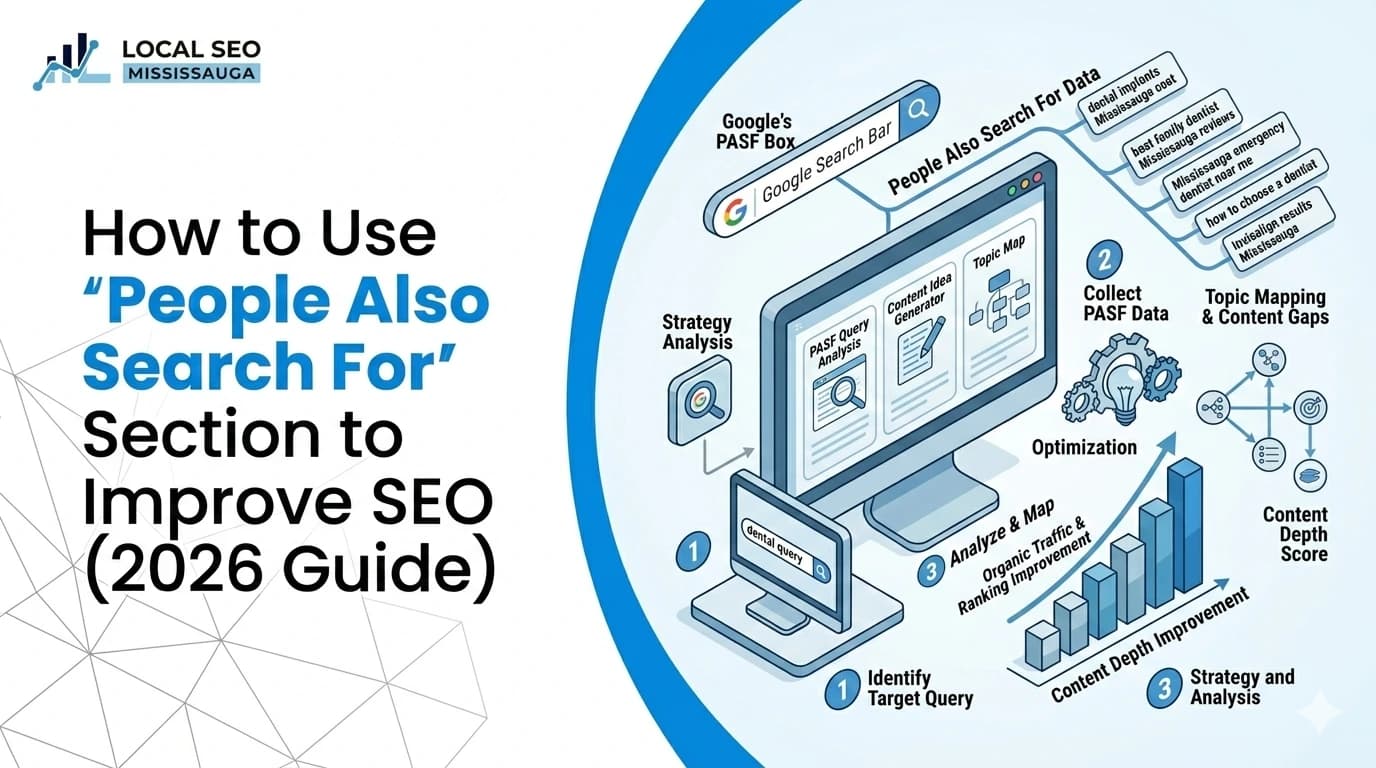
For years, Google's search results pages have evolved from simple blue links into feature-rich experiences. One of the most useful but under-utilized features is the "People Also Search For" (PASF) box. Introduced in 2018, the PASF section appears when a user clicks a result and quickly returns to the search results.
Google uses this moment of unsatisfied intent to display additional queries that other users frequently search for after similar queries.
This guide explains how the PASF feature works, why it's vital for SEO in 2026 and how to harness it to drive organic traffic. We'll break down the differences between PASF and People Also Ask (PAA), show you how to find PASF keywords manually and with tools, and outline strategies to integrate these insights into your content marketing.
The People Also Search For section is a SERP feature that shows related queries based on a user's original search. According to All-In-One SEO, the PASF box appears as a small list beneath the main results and contains queries that Google deems relevant. These suggestions are based on historical search data and reflect how real people refine their searches. For example, searching for "best coffee shops in New York" might trigger suggestions like "top-rated cafes in NYC," "coffee shops with free Wi-Fi in New York" and "best coffee shops near me."
PASF usually appears when Google thinks the user's intent wasn't fully satisfied by the first click.
Users who quickly bounce back to the results send a signal to Google that the original result didn't meet their needs. Google then offers follow-up queries that may better match the original intent. On desktop, the PASF box appears directly below the clicked result; on mobile it often appears further down the page.
Google's algorithm for PASF relies on multiple factors:
Although PASF and People Also Ask (PAA) both appear on the SERP, they serve different roles. The PAA box contains questions related to the original search and provides short answers pulled directly from ranking pages.
In contrast, PASF offers follow-up queries triggered when Google detects dissatisfaction with a result. PAA questions appear with drop-down arrows and supply immediate answers; PASF suggestions do not display answers but redirect users to new search results.
Understanding this distinction helps you tailor content for both features: PAA optimization focuses on concise answers, while PASF optimization focuses on related topics and long-tail keywords.
In the past, keyword research relied heavily on search volume data from tools like Google Keyword Planner. PASF gives marketers a new perspective by revealing the hidden questions and qualifiers that people use after their initial search. Here are several reasons PASF is so valuable:
PASF often surfaces long-tail phrases with low competition but high intent. The All-In-One SEO guide notes that PASF suggestions can reveal long-tail keywords that reflect specific user needs, pain points and niche topics. For example, if your main keyword is "organic skin care," the PASF box might reveal "best organic face creams" or "chemical-free moisturizers." Targeting these specific phrases allows you to capture searchers who are closer to a purchasing decision and less likely to be swayed by competitors.
PASF queries provide a window into the user's thought process. By analyzing these suggestions, you can discover what users are truly looking for and create content that addresses different stages of the buyer's journey.
For example, if PASF suggestions after "train my dog" include "how to crate train a dog" or "best dog treats for training," you know users want practical guides and product recommendations. Matching your content to these intents reduces bounce rates and signals to Google that your page satisfies searchers.
Google rewards content that covers topics comprehensively. Using PASF suggestions to guide your content ensures you cover a subject from multiple angles. Nightwatch notes that adding subtopics from the PASF box, such as questions about booster dog food and preparation tips, helps create in-depth articles that rank for multiple keywords. The more complete your coverage, the more likely you are to secure featured snippets, capture multiple positions in the SERP and build topical authority.
PASF can expose questions your current articles fail to answer. If an older post on "gardening tools for women" drops in rankings, checking the PASF box may reveal new searches like "best gardening gloves for women" or "lightweight garden tools for seniors." Updating your article to address these gaps provides more value and helps reclaim lost rankings. This is an easy way to conduct a content gap analysis without expensive software.
Topic clusters are groups of related articles that link back to a pillar page. PASF suggestions can guide cluster creation by revealing which subtopics belong on separate pages. For instance, a pillar article on AI-driven SEO might spawn sub-articles on "AI SEO tools," "best AI SEO tools" and "SEO AI writing tools." Building clusters improves topical authority and ensures your internal links follow a logical structure.
When users can't find what they need, they quickly bounce back to the SERP. Filling your content with answers from PASF suggestions keeps readers engaged and reduces bounce rates. Better engagement sends positive signals to Google, improving rankings. You can also use PASF terms to anticipate what readers will search for next and build internal links that guide them through your site.
PASF isn't the only feature that offers insight. Pairing PASF data with other SERP features, such as PAA boxes and featured snippets, creates a powerful strategy. AIOSEO advises structuring content using lists or tables, incorporating PASF and PAA keywords in headings, and answering questions concisely to secure featured snippets. Using multiple features together increases your chances of ranking in various parts of the SERP.
Pro tip: keep track of the zero-volume keywords that appear in PASF. Many of these phrases may not appear in keyword research tools but still attract qualified visitors. Monitoring performance via Google Search Console helps you identify which of these hidden gems drive traffic.
You can gather PASF keywords yourself without any tools. To use this method:
This simple process is effective for quick research but can be time-consuming for large keyword lists. It also doesn't show search volumes or competition metrics.
Various tools make PASF research more efficient. Consider the following:
When using tools, remember that PASF keywords often have low or zero reported search volume. Don't disregard them; instead, test them in content and use Search Console to see how they perform.
PASF keywords are only useful when they guide your content strategy. The following strategies help you turn raw data into SEO gains.
Long-tail keywords are phrases of three or more words that target specific intent and often have lower competition. PASF suggestions regularly highlight these gems. For example, a broad query like "ceramic cookware" might yield PASF terms such as "ceramic cookware vs stainless steel," "ceramic cookware dangers" and "ceramic cookware pros and cons." Because fewer websites target these exact phrases, you can more easily rank and attract high-intent traffic.
How to implement:
Each PASF suggestion reflects a different stage in the searcher's journey. According to 1702 Digital, there are four broad intent categories: information, navigation, commerce and transaction. Informational queries seek definitions and explanations; navigational queries research brands or platforms; commercial queries compare products; and transactional queries indicate readiness to purchase.
Recognizing which intent category a PASF term falls into helps you align content appropriately. For instance, informational PASF like "how to crate train a puppy" requires a comprehensive how-to guide, whereas a transactional PASF like "best CRM software pricing" calls for a product comparison or landing page.
Action steps:
PASF suggestions highlight subtopics your existing content may be missing. Nightwatch suggests using these terms to broaden articles and answer additional questions. For example, an article on dog food can be expanded to include sections on "how to prepare booster dog food," "booster dog food price" and "best dog food for fast growth." This approach not only improves content depth but also increases the number of keywords you can rank for. Running a periodic PASF gap analysis ensures your content stays comprehensive and competitive.
Pro tip: keep a spreadsheet of your existing articles with associated keywords. Every quarter, collect PASF suggestions for those keywords and update articles with new sections, FAQs or examples.
Topic clusters involve creating a main "pillar" page that targets a broad keyword and supporting pages that delve into related subtopics. PASF suggestions can guide the creation of these clusters by revealing which subtopics belong on separate pages. For example, a pillar page on "AI-driven SEO" could link to sub-pages on "AI SEO tools," "AI SEO writing tools free" and "best AI SEO tools." This structure signals topical authority to search engines and improves user navigation.
How to implement:
Internal links help distribute authority throughout your site and make it easier for search engines to crawl your pages. AIOSEO recommends identifying opportunities for internal linking based on PASF suggestions. When writing an article, type the target keyword into Google, review the PASF terms and identify other articles on your site that match those terms. Link relevant pages using anchor text that aligns with the PASF phrase to improve topical relevance.
Quick wins:
PASF works best when integrated with other SERP features such as People Also Ask and featured snippets. AIOSEO's guide advises structuring content using lists, tables and concise paragraphs to maximize your chances of appearing in featured snippets. At the same time, include PASF and PAA keywords in headings and subheadings to capture multiple SERP features. Optimizing for both features improves visibility and drives traffic from different sources.
Using Google Search Console, you can monitor clicks and impressions for queries related to your PASF keywords. By segmenting pages that target PASF phrases, you can compare their performance against broader keywords. Metrics like dwell time, bounce rate and assisted conversions help quantify the impact of PASF optimization. Periodic analysis will show which PASF terms drive traffic and conversions, enabling you to refine your strategy.
Google is constantly evolving its search interface with AI-powered features like AI Overviews and generative search experiences. Although these features may change how results are displayed, behaviour-based suggestions like PASF remain valuable. 1702 Digital notes that PASF supports topical authority when combined with PAA and related searches. In AI-driven SERPs, PASF helps align content with actual search journeys rather than static keyword lists. As AI continues to personalize results, expect PASF suggestions to become even more tailored to individual behaviour.
To future-proof your strategy:
The People Also Search For section is more than a curiosity, it's a powerful source of insight into how users refine their searches. By understanding how PASF works and integrating its suggestions into your SEO strategy, you can uncover hidden keywords, align content with search intent, deepen topic coverage and build stronger internal links.
In 2026, as Google introduces AI-driven features and search behaviour continues to evolve, staying ahead means embracing every tool at your disposal. PASF doesn't replace traditional keyword research; it complements it, adding a behavioural layer that aligns content with real user journeys. Use the strategies and best practices in this guide to make PASF a cornerstone of your SEO efforts.
Ready to put these strategies into action?
Start by collecting PASF keywords for your top three pages this week. Then, map them to intent categories and update or create content accordingly. For personalized help, contact our SEO specialists for a free consultation.
It's a box of related queries displayed on Google's results page when a user clicks a result and quickly returns to the SERP. The suggestions are based on how other users refine their searches.
PAA shows questions with drop-down answers and appears without any click-back needed. PASF only appears after click-back behaviour and lists follow-up queries without answers.
Many PASF queries don't show measurable search volume because they are behaviour-based. However, they often drive highly qualified traffic and can lead to conversions. Use Search Console to track their performance.
Use the manual method: search your primary keyword, click a result, then return to the SERP to see the PASF box. For efficiency, use tools like browser extensions (Keywords Everywhere), AIOSEO's Keyword Rank Tracker or paid platforms such as Ahrefs and SEMrush.
Include them naturally in headings, subheadings and body text. Create separate pages for distinct PASF topics to build topic clusters and avoid duplication. Ensure the content matches the search intent of each keyword.
Get a free SEO audit and a clear, prioritized plan for your Mississauga business — no long-term contract required.
Get a Free SEO Audit· 8 min read
See what an HTTP 401 error means, how it differs from 403 and how users or developers can fix authentication problems. Check the steps now.
Read article· 11 min read
Improve brand mentions in ChatGPT, Gemini and AI Overviews with stronger entities, citations and answer-ready content. Use the 2026 checklist.
Read article· 14 min read
Build a keyword plan around search intent, competition and business value, then map terms to the right pages. Follow the step-by-step process.
Read article